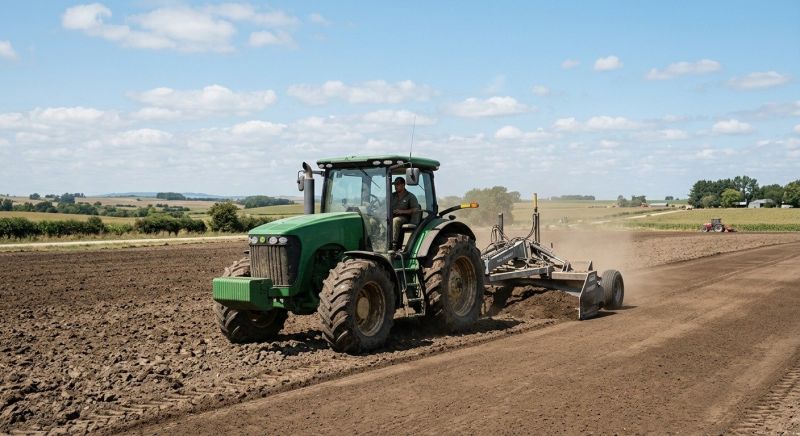
Field Leveling in Houston, TX
Field leveling services involve adjusting the surface of a property to create a flat, even area. This process is commonly used for driveways, lawns, building pads, and other outdoor spaces that have become uneven due to soil movement, settling, or erosion. Proper leveling helps improve drainage, prevents water pooling, and creates a stable foundation for landscaping or construction projects. Homeowners typically request this service when noticing dips, slopes, or uneven patches that could affect safety, aesthetics, or future development.
Before requesting field leveling, property owners should understand the extent of the unevenness and any underlying soil conditions that may influence the work. It’s important to consider how much soil needs to be moved, whether additional grading or drainage solutions are necessary, and if there are existing structures or utilities that could impact the process. Clear communication about the desired outcome and any specific concerns can help ensure the project meets expectations and results in a safe, level outdoor space.
Many property owners in Houston, TX look into Field Leveling for repairs, replacements, upgrades, and appearance-related improvements.
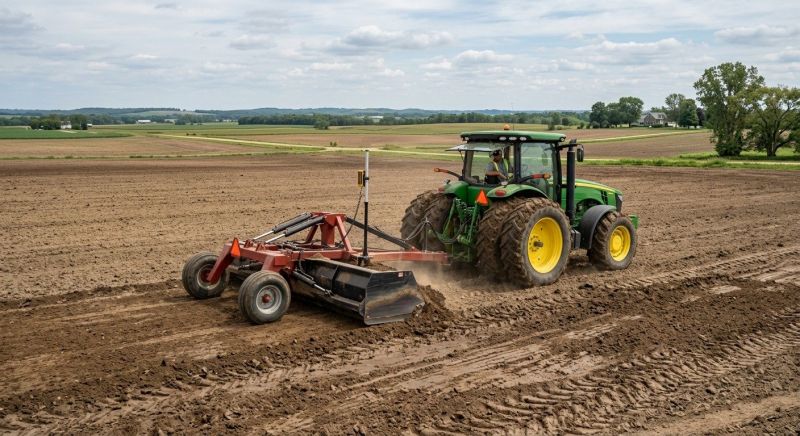
Field Leveling Services
Examples of field leveling work property owners may explore in houston, tx.
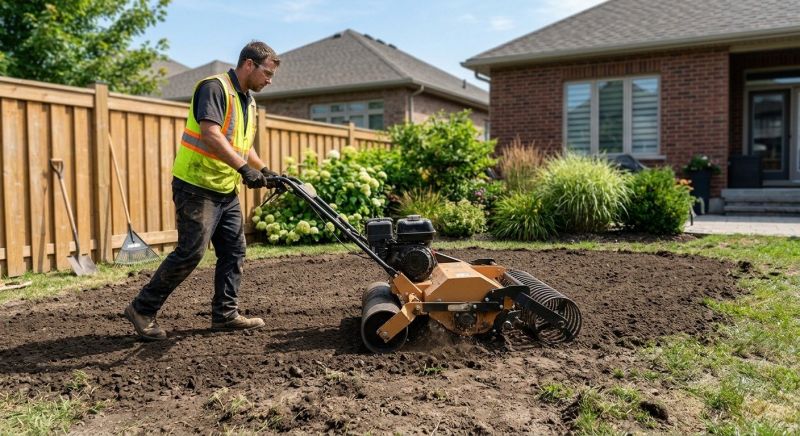
Field Leveling Updates
Common ways people refresh, improve, or restore field leveling features in houston, tx.
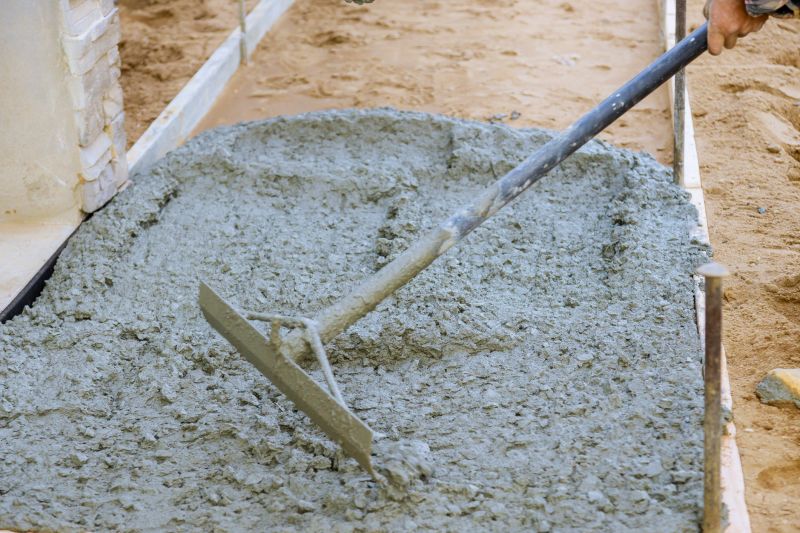
Field Leveling Options
Different styles, layouts, and finishes people consider for field leveling in houston, tx.
Field Leveling in Houston, TX
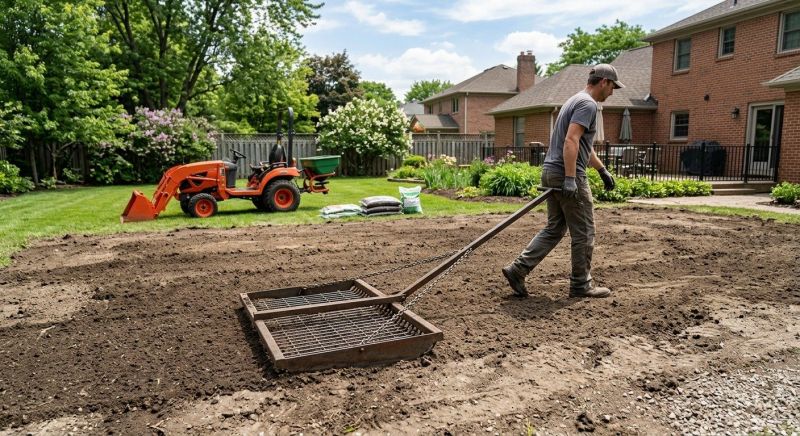
Field leveling services involve adjusting the surface of a property to create a flat, even area. This process is commonly used for driveways, lawns, building pads, and other outdoor spaces that have become uneven due to soil movement, settling, or erosion. Proper leveling helps improve drainage, prevents water pooling, and creates a stable foundation for landscaping or construction projects. Homeowners typically request this service when noticing dips, slopes, or uneven patches that could affect safety, aesthetics, or future development.
Before requesting field leveling, property owners should understand the extent of the unevenness and any underlying soil conditions that may influence the work. It’s important to consider how much soil needs to be moved, whether additional grading or drainage solutions are necessary, and if there are existing structures or utilities that could impact the process. Clear communication about the desired outcome and any specific concerns can help ensure the project meets expectations and results in a safe, level outdoor space.
Many property owners in Houston, TX look into Field Leveling for repairs, replacements, upgrades, and appearance-related improvements.
Common Field Leveling Jobs
Residential properties - level uneven ground to create a stable and safe outdoor space.
Driveways and walkways - ensure smooth, even surfaces for improved safety and appearance.
Landscaping projects - prepare sloped or uneven terrain for planting or construction.
Foundation leveling - correct settling issues to prevent structural damage.
Fencing and retaining walls - stabilize soil and prevent shifting or erosion.
Commercial properties - improve site safety and functionality by achieving a level surface.
Field Leveling Questions
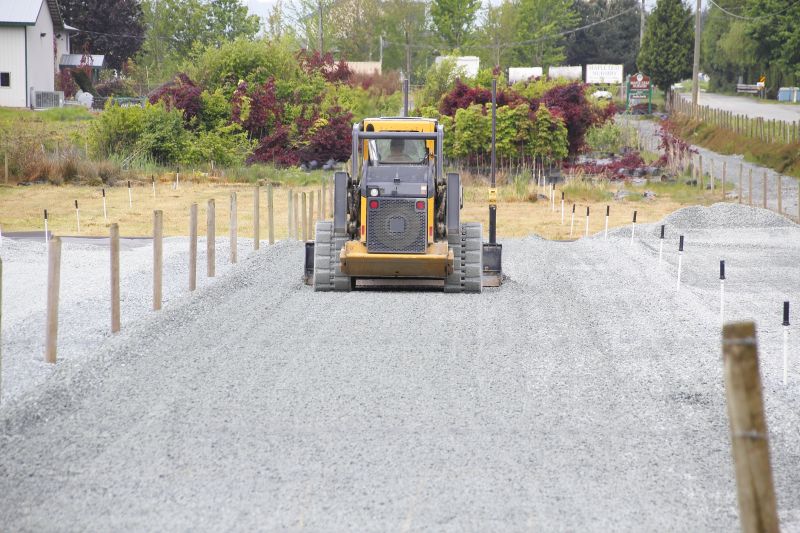
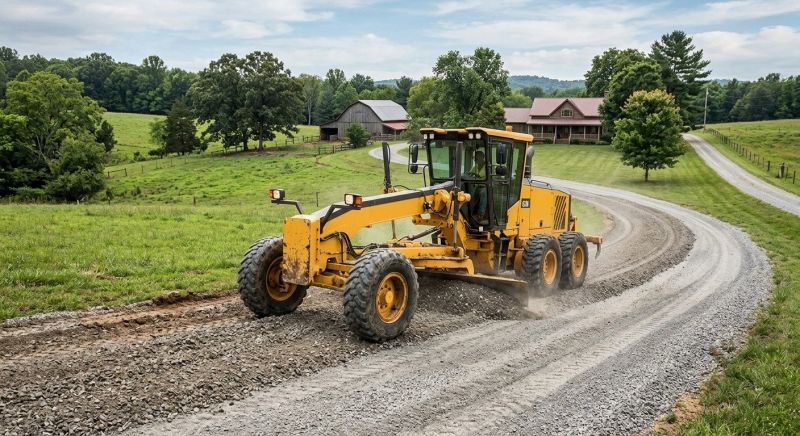
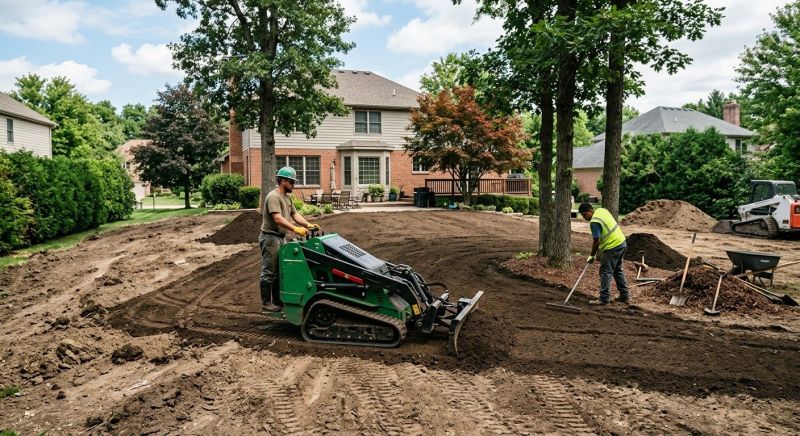
What is field leveling? Field leveling involves adjusting the ground surface to create a smooth, even terrain for construction or landscaping projects.
When is field leveling needed? It is typically required when preparing a site for building foundations, installing turf, or improving drainage on uneven land.
What types of projects benefit from field leveling? Projects such as lawn installation, driveway construction, and site development often benefit from proper field leveling.
How does field leveling improve property value? It enhances the appearance and functionality of outdoor spaces, making properties more attractive and easier to maintain.
Request Field Leveling in Houston, TX
Use the quote form on this page to share the basics of your project and request more information for the type of work you need.